Construction Site Toilets
Rugged, jobsite-ready portable restrooms in Bryant, AR.
- ✓ Flexible Delivery Scheduling
- ✓ Heavy-Duty Build
- ✓ Weekly Servicing
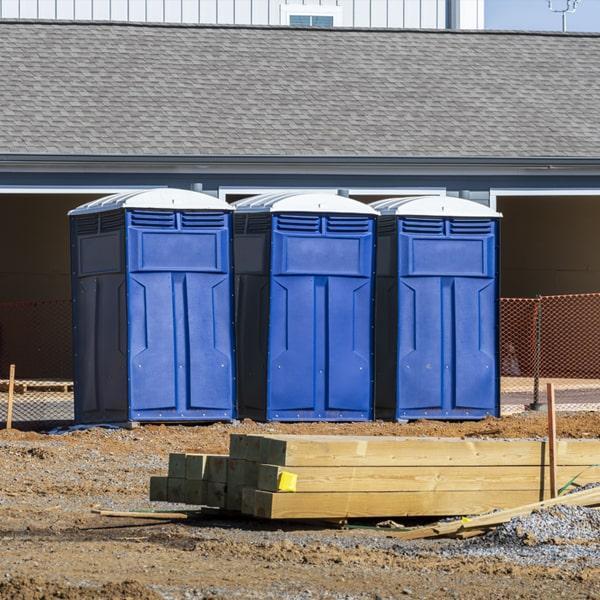
Rugged, jobsite-ready portable restrooms in Bryant, AR.
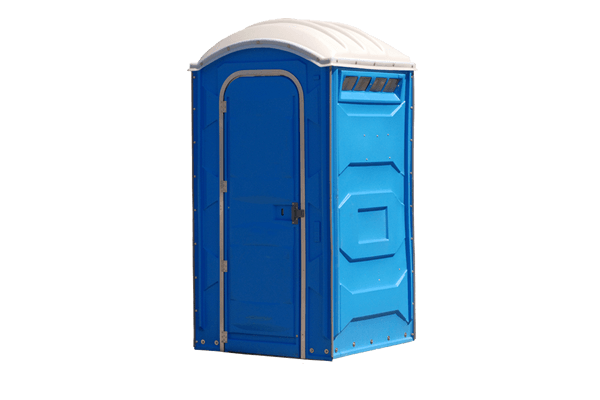
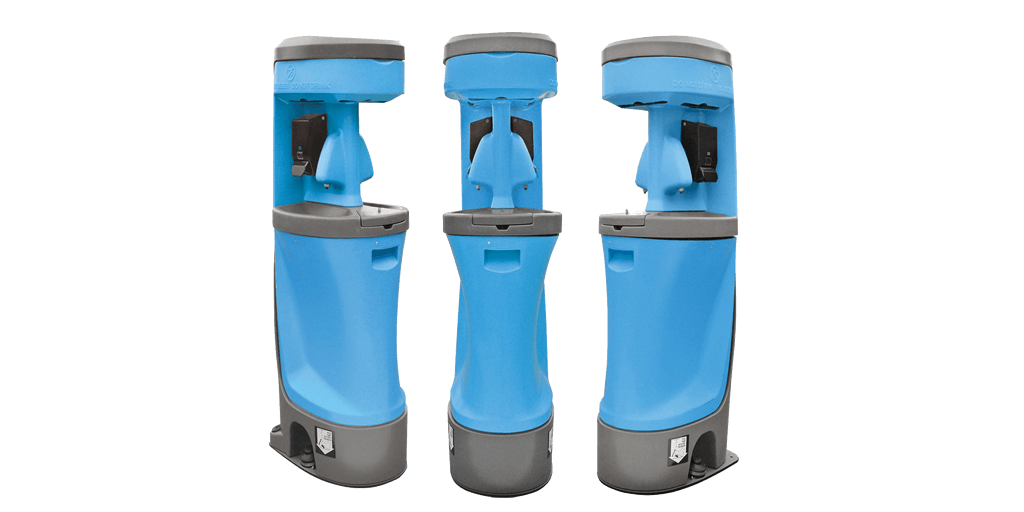
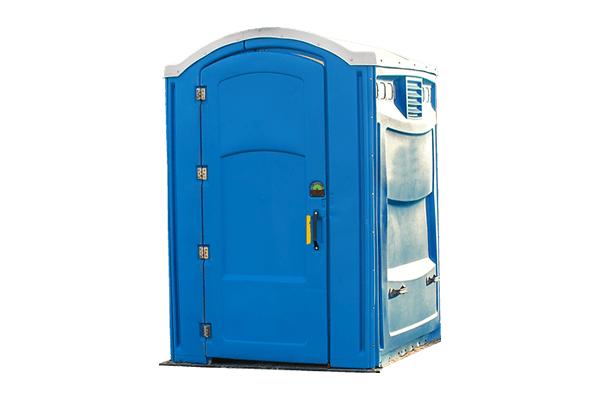
Construction site toilets should be planned around the work rather than placed wherever space happens to be open on the first day. Begin with the largest crew expected on site at one time, including subcontractors, delivery personnel who may remain on site, and shifts that overlap. The project duration matters, but daily use is equally important; a small crew over several months can have different needs from a large crew working intensively for a short period. Explain whether workers have access to usable indoor restrooms or whether portable units will be the primary facilities. If the job site is public-facing or includes workers or visitors who need a larger accessible restroom option, discuss that at the beginning. Handwashing stations can be beneficial where crews handle materials, work outdoors, or have no nearby sink. A job-site rental should also consider project phases. Excavation, framing, paving, landscaping, and final finishing can each change the safest place for a unit. Give the rental provider a realistic account of the work sequence, expected user count, site hours, and any changes you anticipate. That makes it easier to discuss unit quantity, duration, and servicing in a way that fits the working conditions.
Placement for a construction toilet requires coordination with the person managing the site. The unit should be convenient for crews but outside active equipment routes, crane or overhead work zones, trench areas, material staging, utility work, and emergency access. Choose firm, level ground with a clear route for delivery and future servicing. Avoid placing the unit where it will be enclosed by fencing, lumber stacks, scaffolding, or parked equipment as the job progresses. If the site has a locked gate, security check-in, limited delivery hours, or a changing entrance, provide those details in advance. A site contact should be available to verify the placement area and communicate any access changes. For projects with mud, gravel, slopes, or rain-sensitive ground, identify the most stable available location. Do not rely on a future driveway or parking area unless it will actually be accessible at delivery time. For longer rentals, communicate changes in crew size and whether the toilet may need to be repositioned as work moves. A well-managed location keeps the restroom reachable for workers and service personnel without adding avoidable risks or interfering with construction operations.